Mushroom Hike
Some field guides notes on Feb 02, 2025 mushroom hike.
Bay area park, reserves in general does not allow people to pick mushrooms. This is in contrast to
Takeaway message
- Having gill or not.
- Large varieties even for the ones on the wood.
- Amanita identification.
Categories
Gills;
polypore; usually woody, commenting: haven't seen gills are woody. generall soft.
boletes; jelly;
Earthstar and puffballs; opening when wet; earthstar has two layers, outer laer open inside is putffballs
Species
Dyer's polypore, heavy dark when we saw it, could last for more than years surive even during the dry season; spongy underneath actually used for dying fiber.
Amanita, egg shape volva, moat between gill and the stem; volva and the fruit body are the same part and extending.
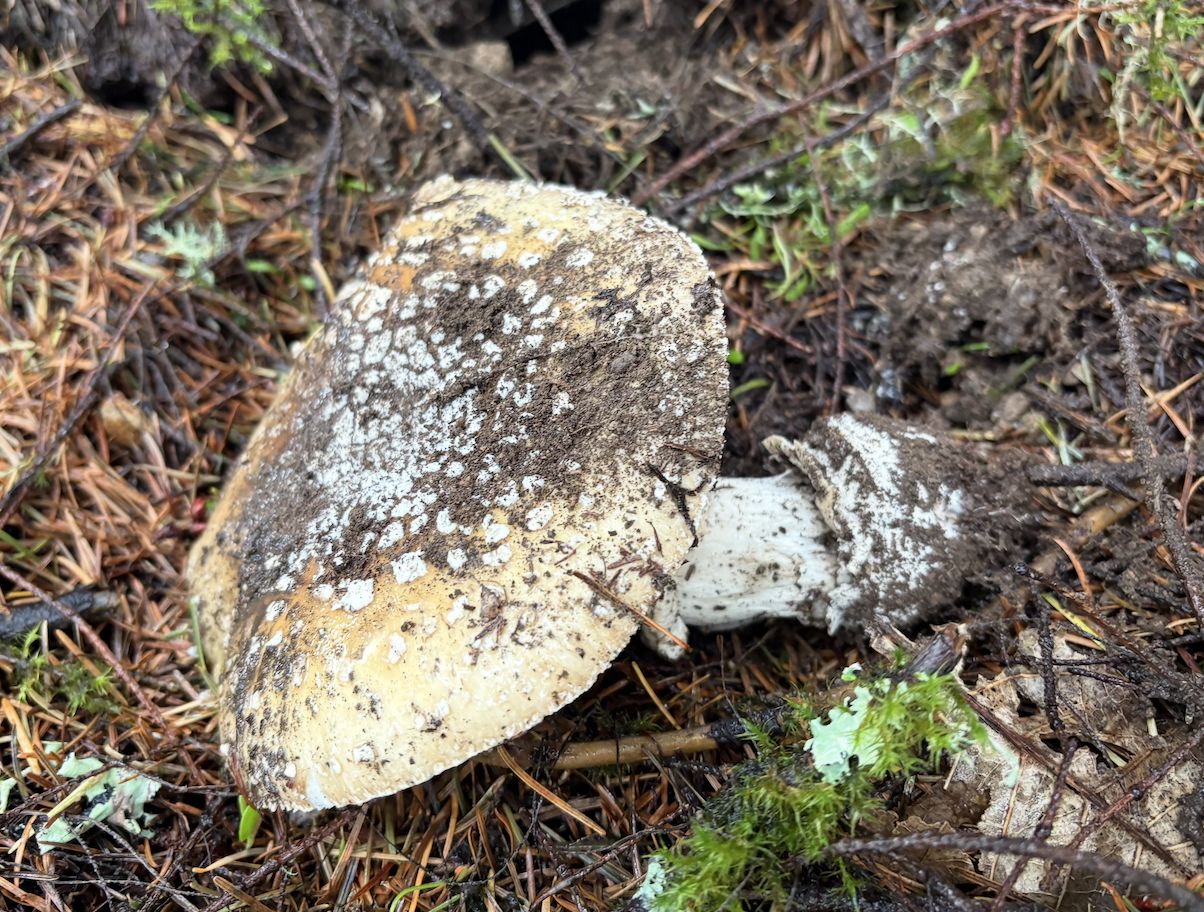
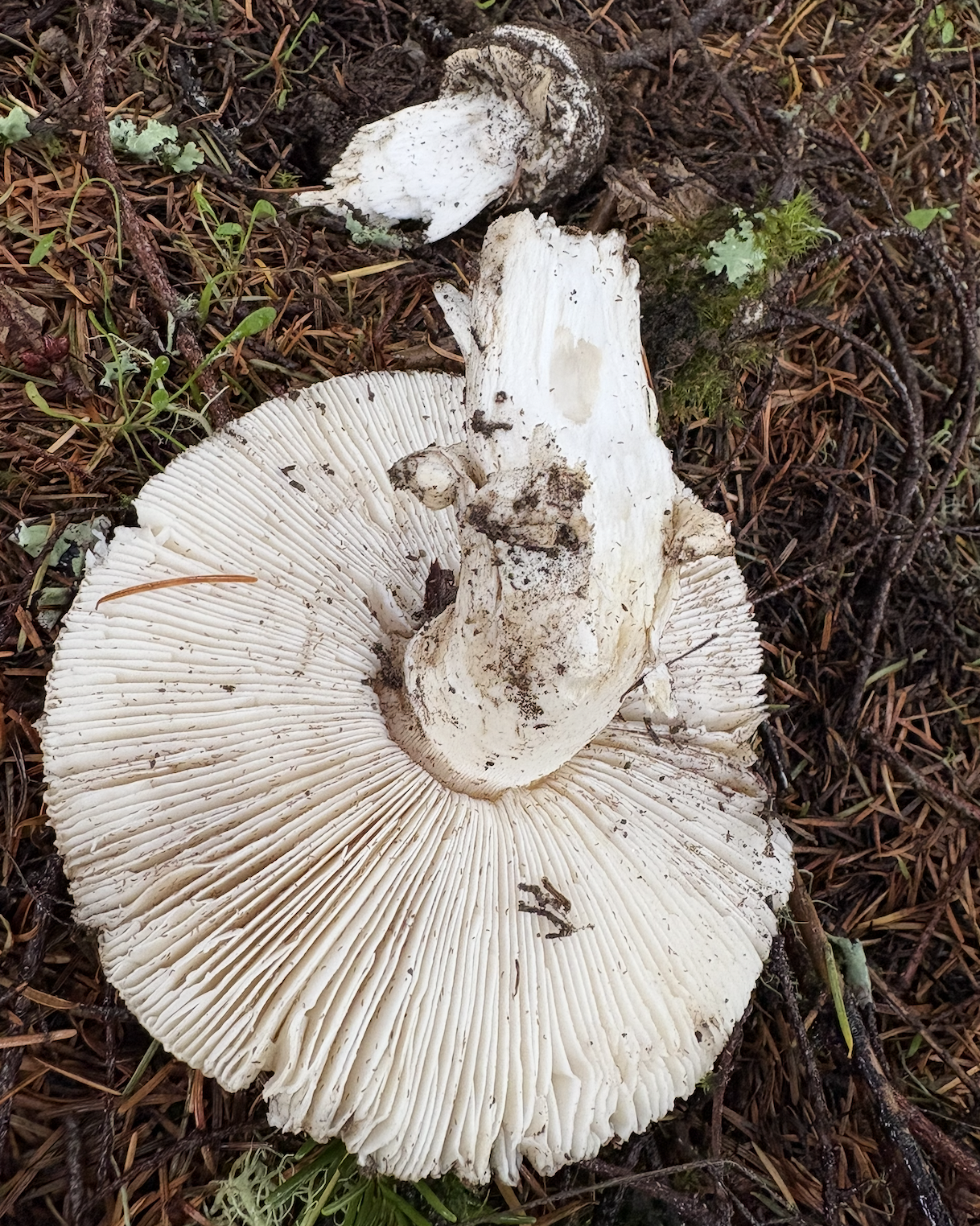
Lactarius, as milk-caps, are characterized by the milky fluid ("latex") they exude when cut or damaged.
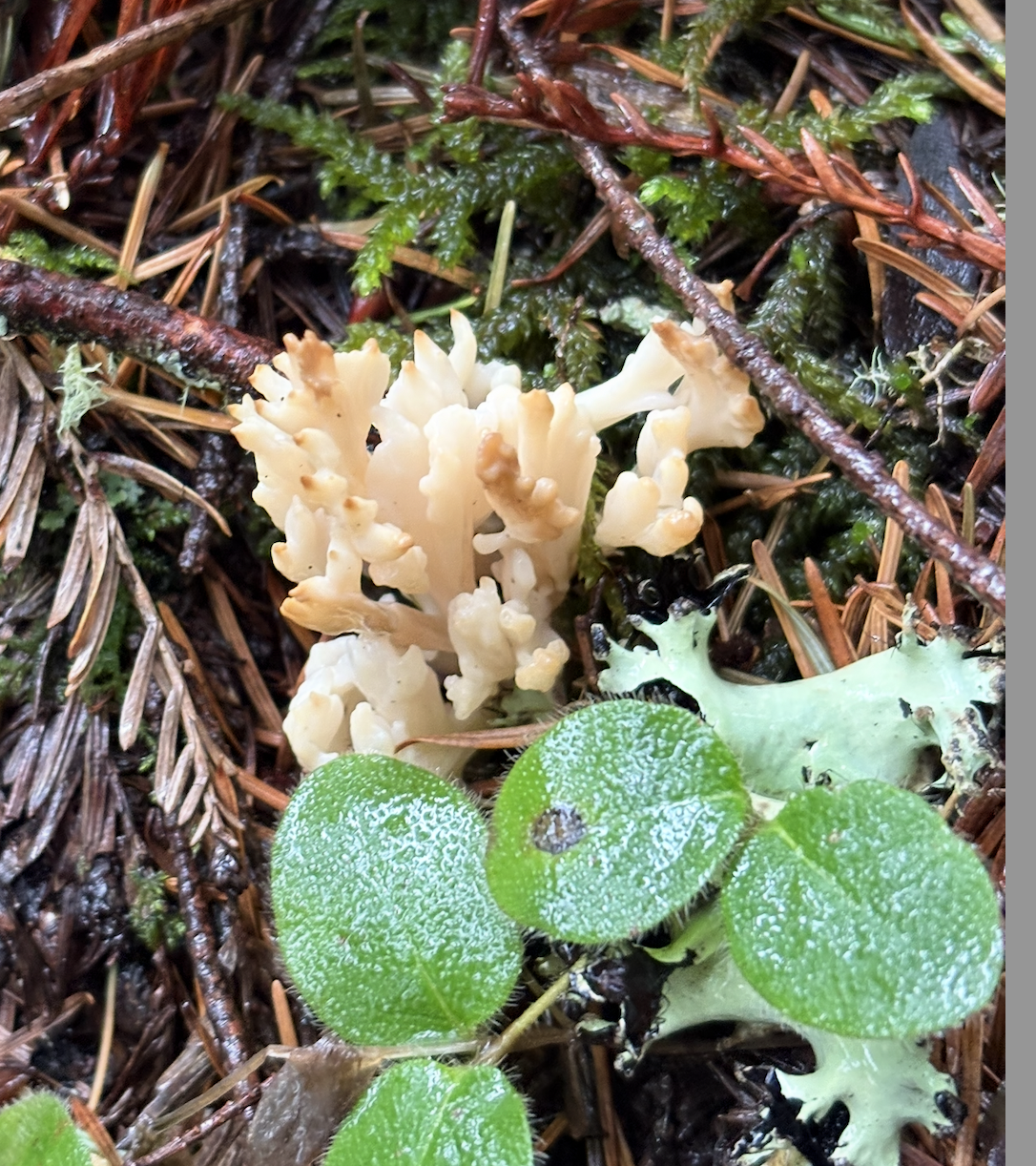
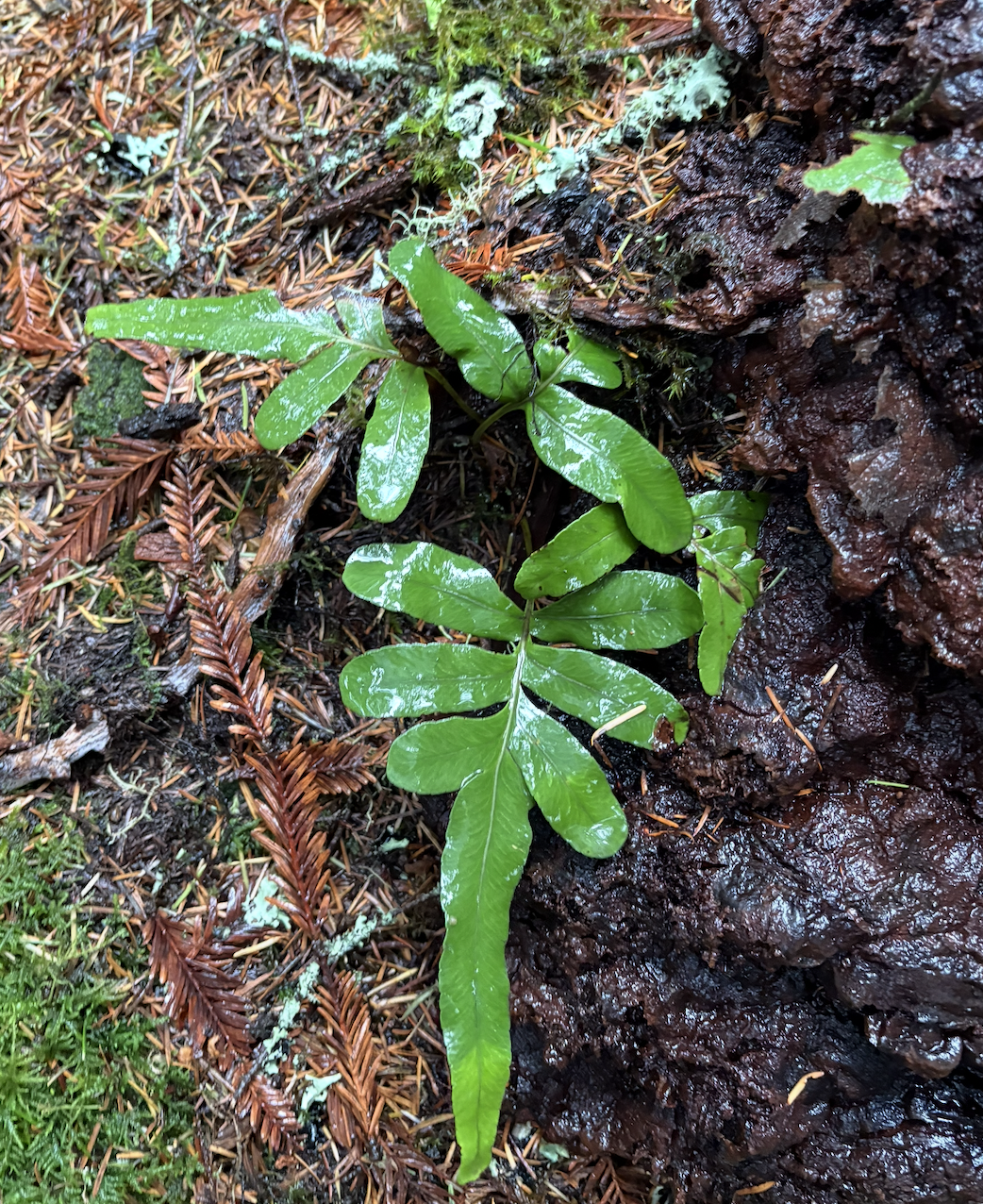
Leather fern , polypody genus. used to have more near the tree base we saw, but many people might get them home.
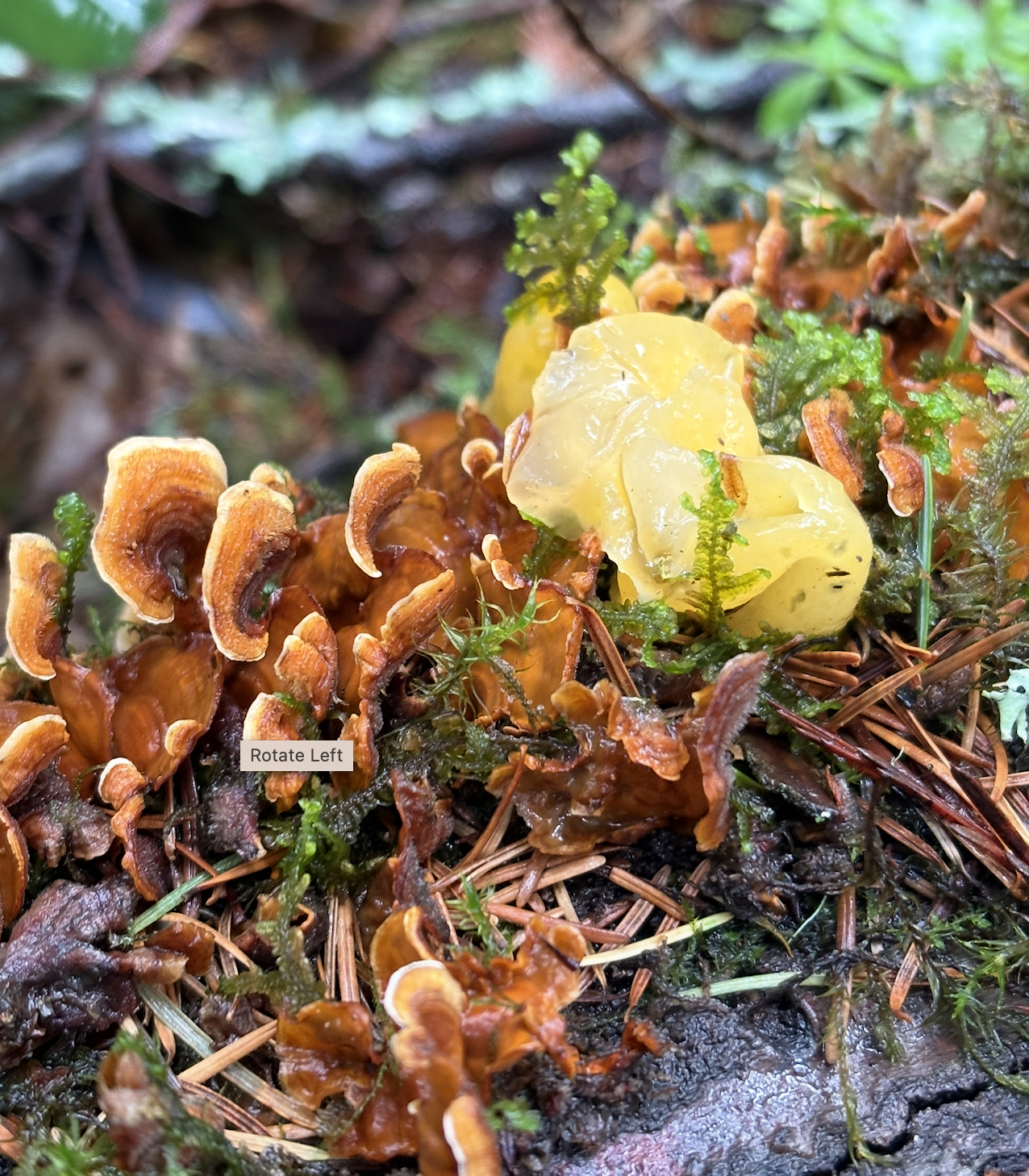
Witches butter, parostic on turkey tail like mushrooms. turkey tail mushroom itself in general, has the concentric color rings and the pores under neath(so if see a gill, could not be, 云芝)
bollete family. 牛肝菌,香菇 tube like, easy to rot; a unique cap. different from other mushrooms in that they have pores rather than gills on the underside of the cap. Spores are released by the thousands from the inner walls of hundreds of tiny round tubes, making up the lower cap surface. ref
We found a very unique tiny mushroom, Crucibulum laeve (Common Bird's nest). It's so tiny as a grain of rice and attached to a cone.
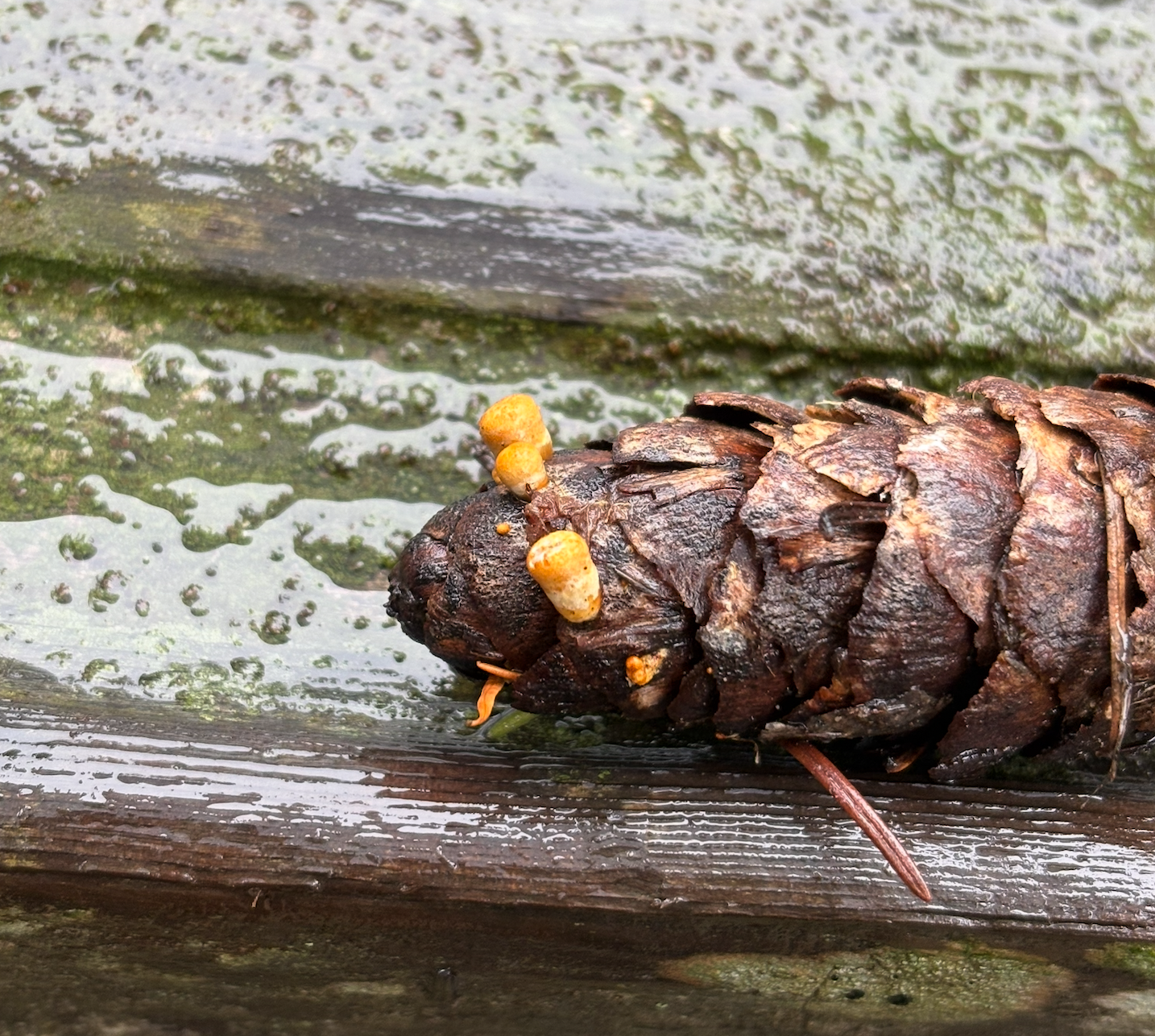
growing at different orientation due to the gravity

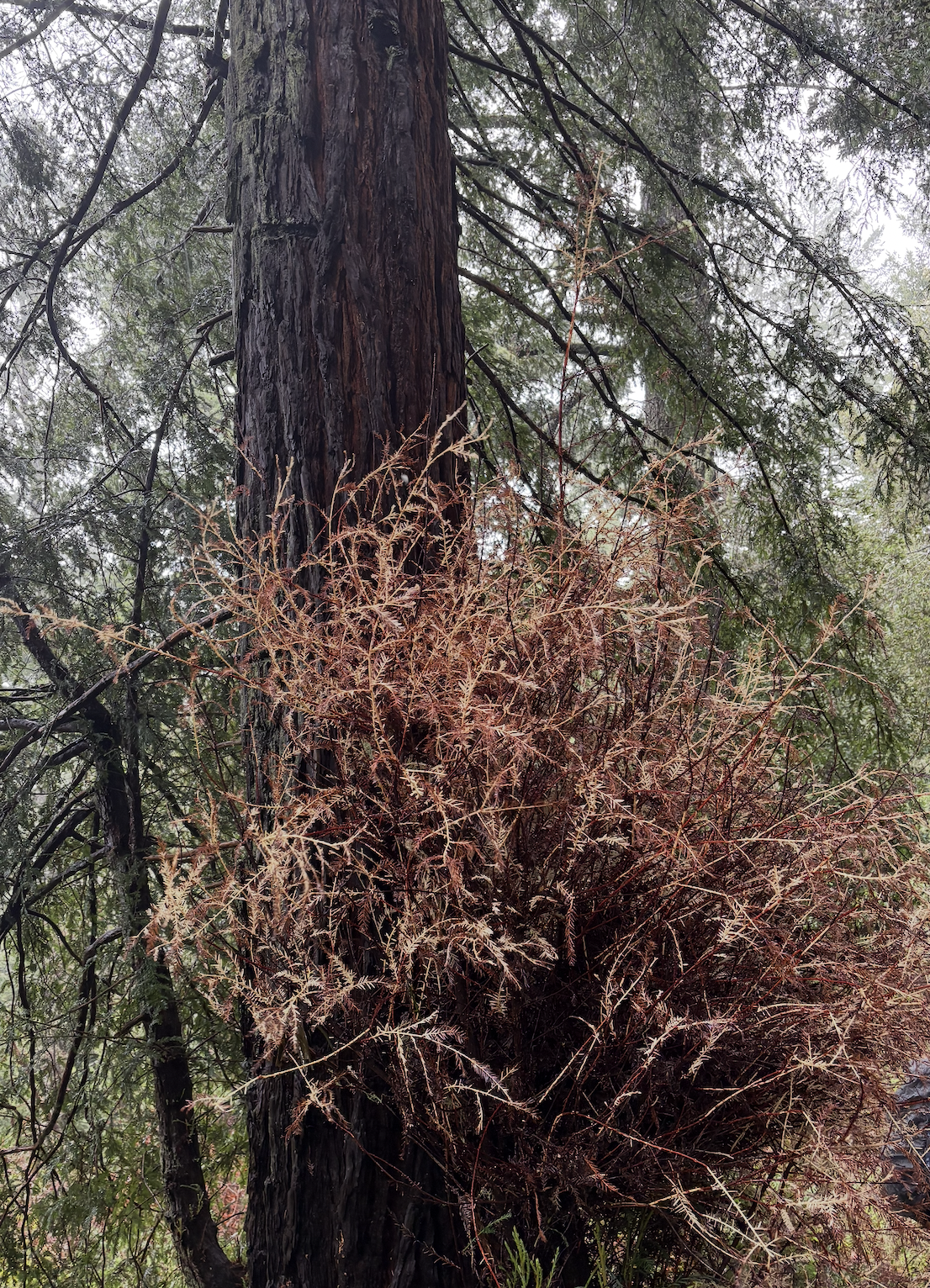
Albino redwood, so called to help the main body to accumulate the heavy metal waste, but we are pondering on the possiblity of that, as Purisma park is quite remote to be contaminated. nevertheless.
The little cup on the top of the lichens are their reproduction organs. They release the spores into the air. Quite neat, haven't seen them before. All these below are lichens.
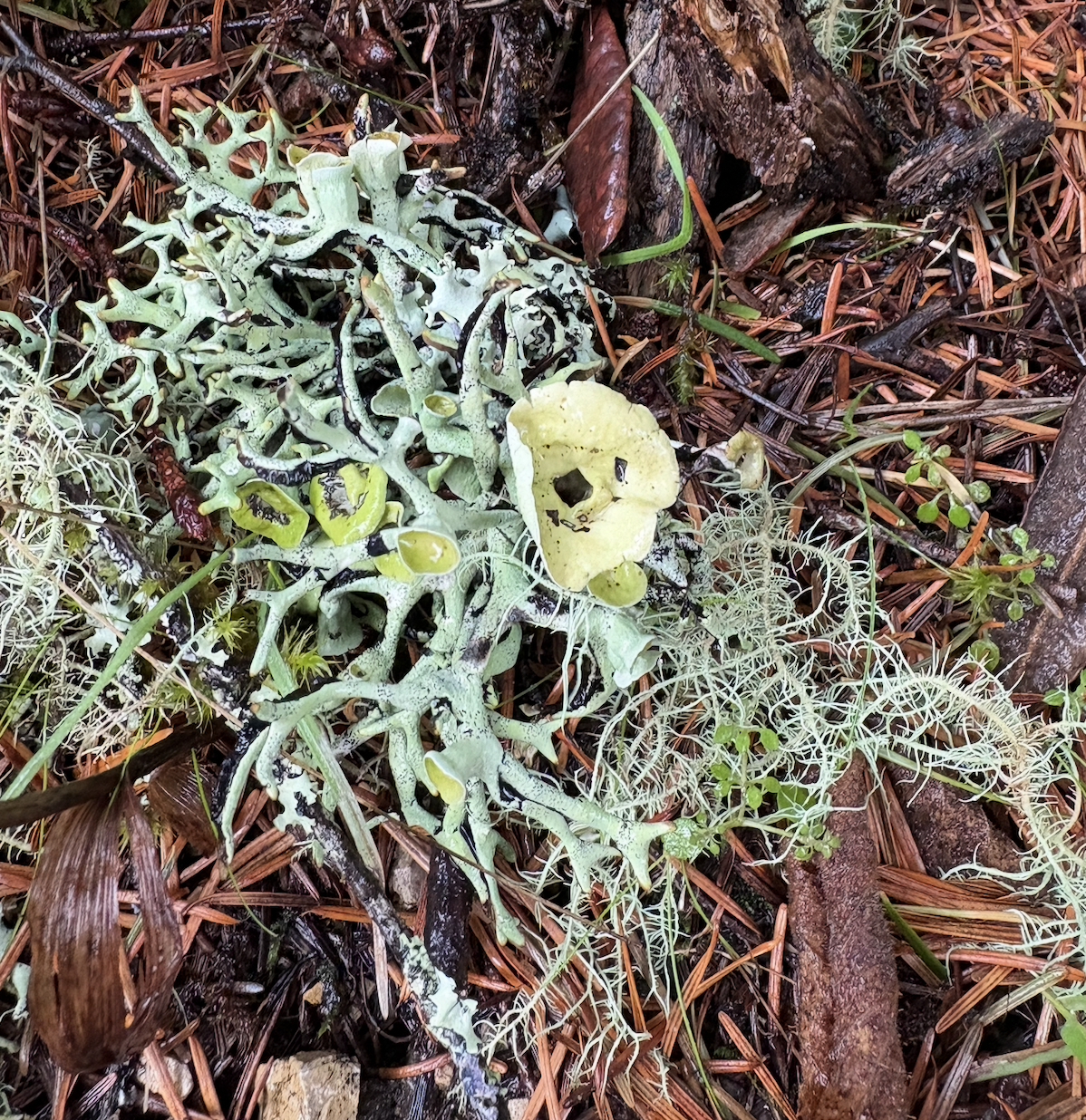
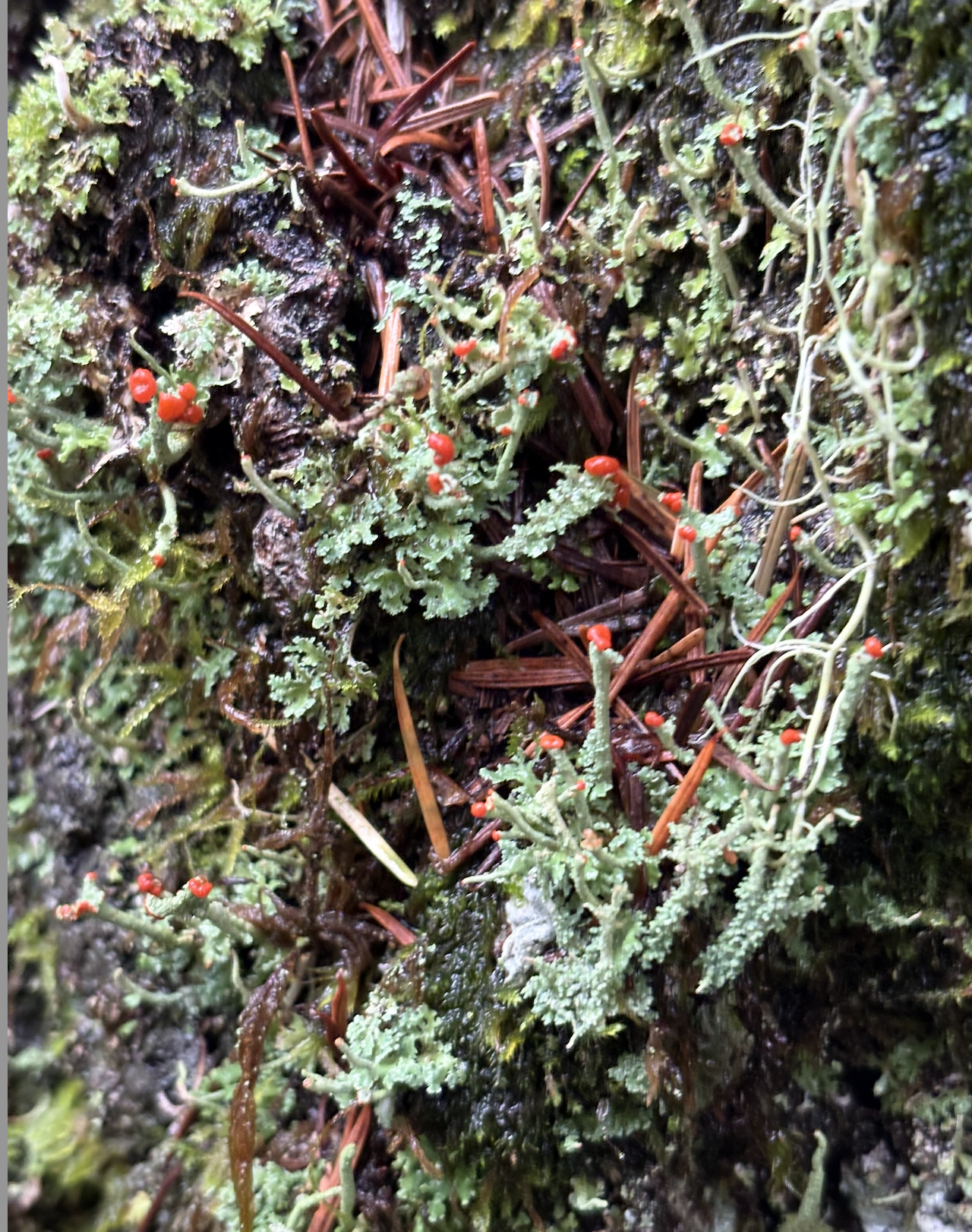
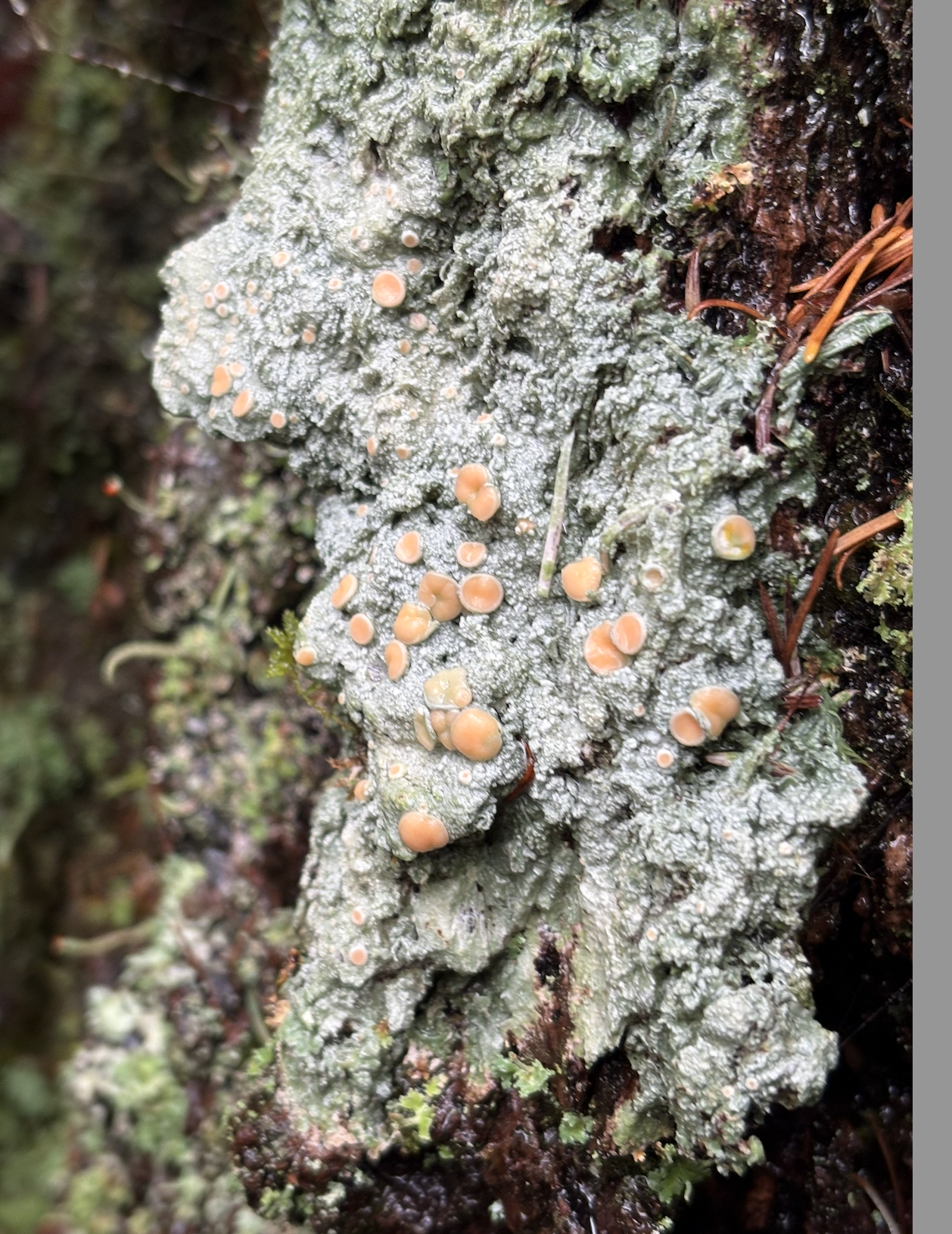
Somtiems different shape of the cap can be use for identification, e.g. this one has the pondoga shape (middle part pointed out)

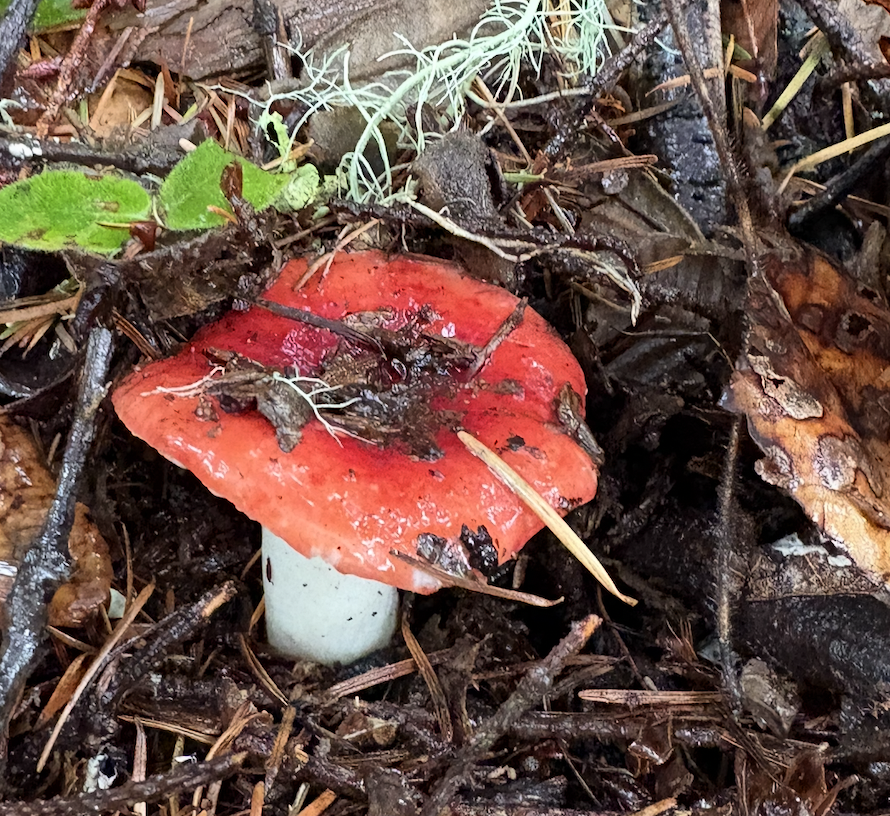
beautiful russula, mentioned similar to the milky-cap types, can release the latex when released.
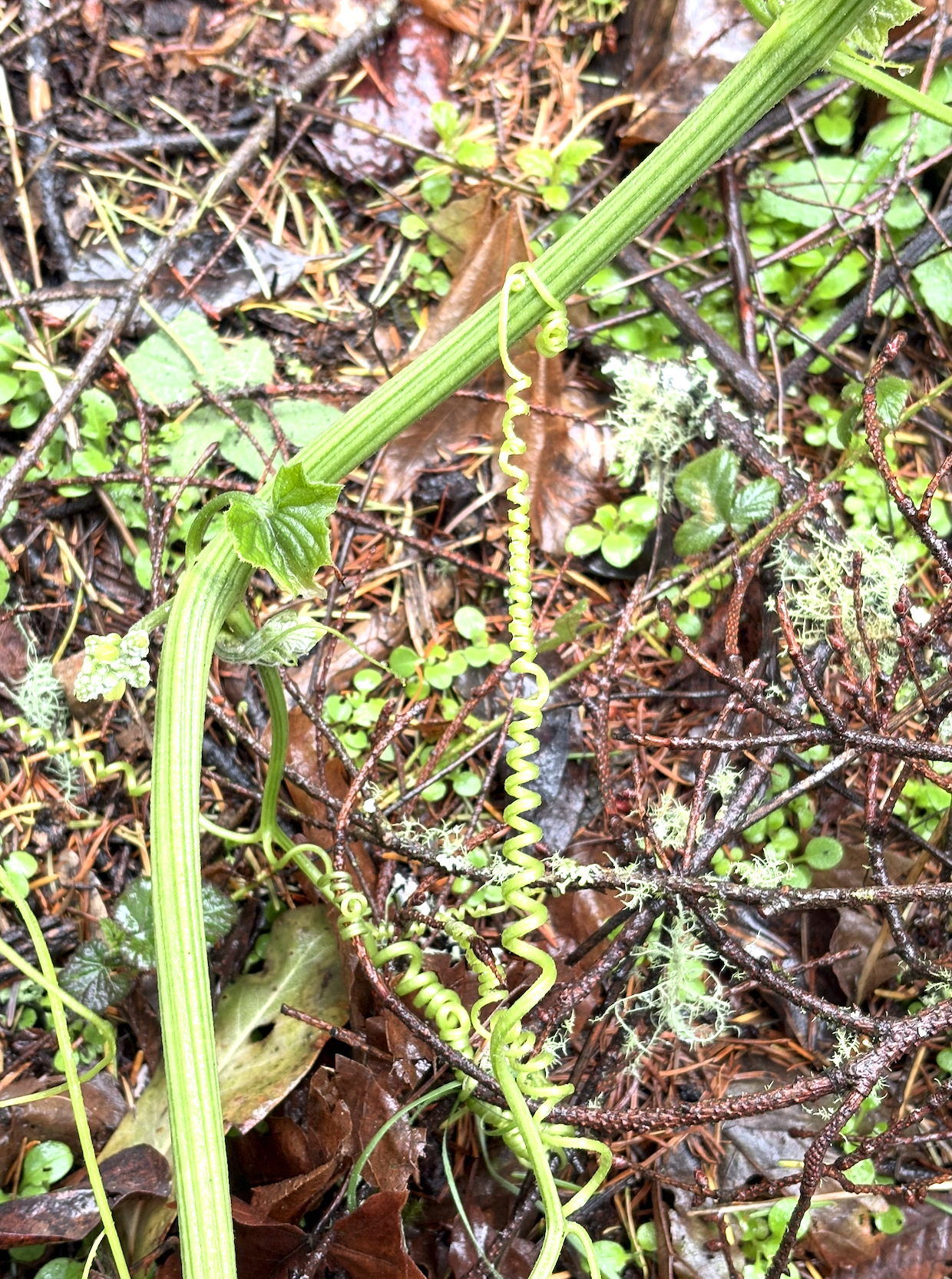
Cucumber tendrills coils changes to another direction, Darwin founds this during his famous book "Climbing Plants xxx". The phenomenom called "tendrill perversion" but so far I faield to find a clear explaination of the benefits, including: stability over mininum energy; better chance of climbing onto some structure.
Could be viewed as an example of Logarithmic spiral on some marine shells, similar, may just enjoy the beauty.
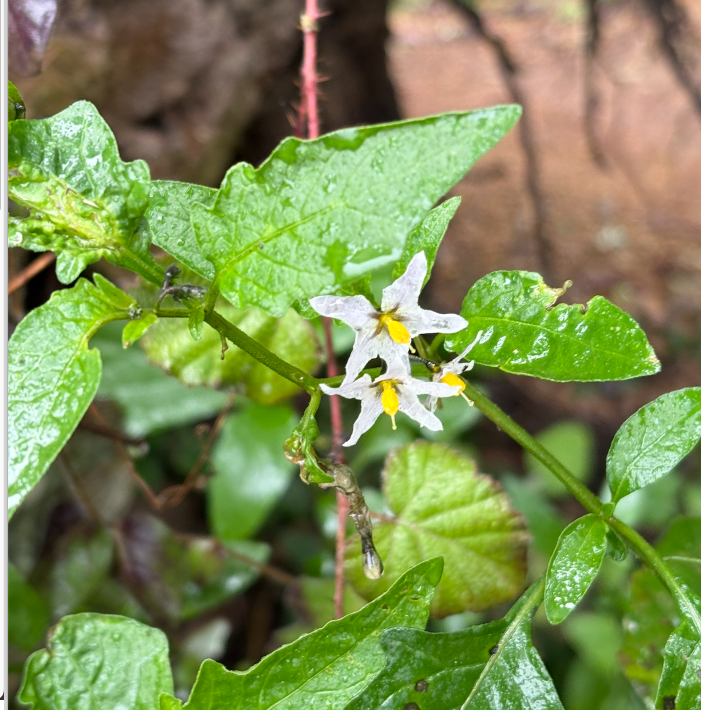
genus nightshade plant, same family as tomato, eggplant, this one might be forked nightshade, according to iNaturalist. bearing some berry like fruits.